Every April, guests arriving in Thailand step into one of the year’s most joyful months. The country prepares to welcome the Thai New Year, a celebration known as Songkran. For those staying in holiday rentals and quiet beachfront estates, the days leading up to the festival often feel calm and warm. Yet just beyond the gates, towns and cities slowly begin to come alive with anticipation. It is a wonderful time to visit because the whole country shares the same cheerful spirit.
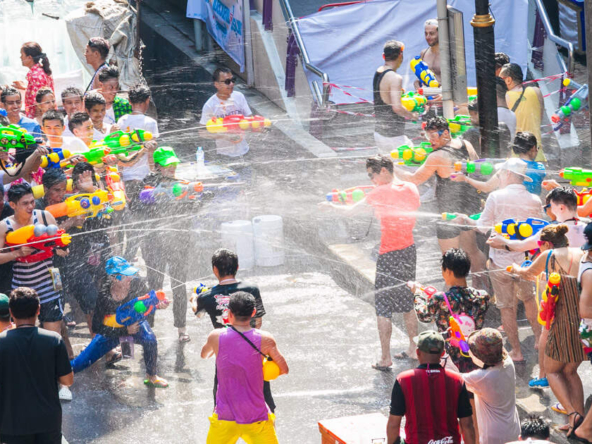
Many travelers first hear about Songkran because of the famous water fights. Guests often ask if the stories are true, and the answer is always yes. Streets fill with people carrying water guns, music drifts through neighborhoods, and laughter echoes everywhere. Many visitors find that the celebration takes on a deeper meaning upon arrival. Songkran is not only pleasant but also thoughtful, respectful, and deeply rooted in Thai culture.
A Local Look at the Heart of Songkran
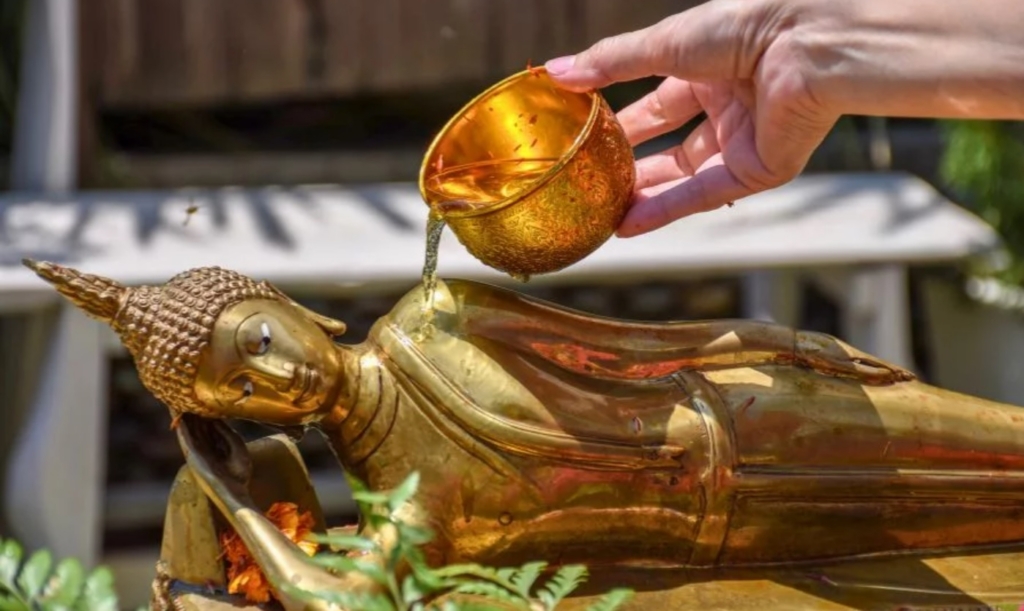
To understand Songkran, it helps to look at the traditions that shape the celebration. Songkran is one of the main festivals in Thailand and it marks the Thai New Year, which usually takes place from April 13 to April 15. During this time many people travel back to their hometowns to spend time with family, visit temples, and welcome the new year together.
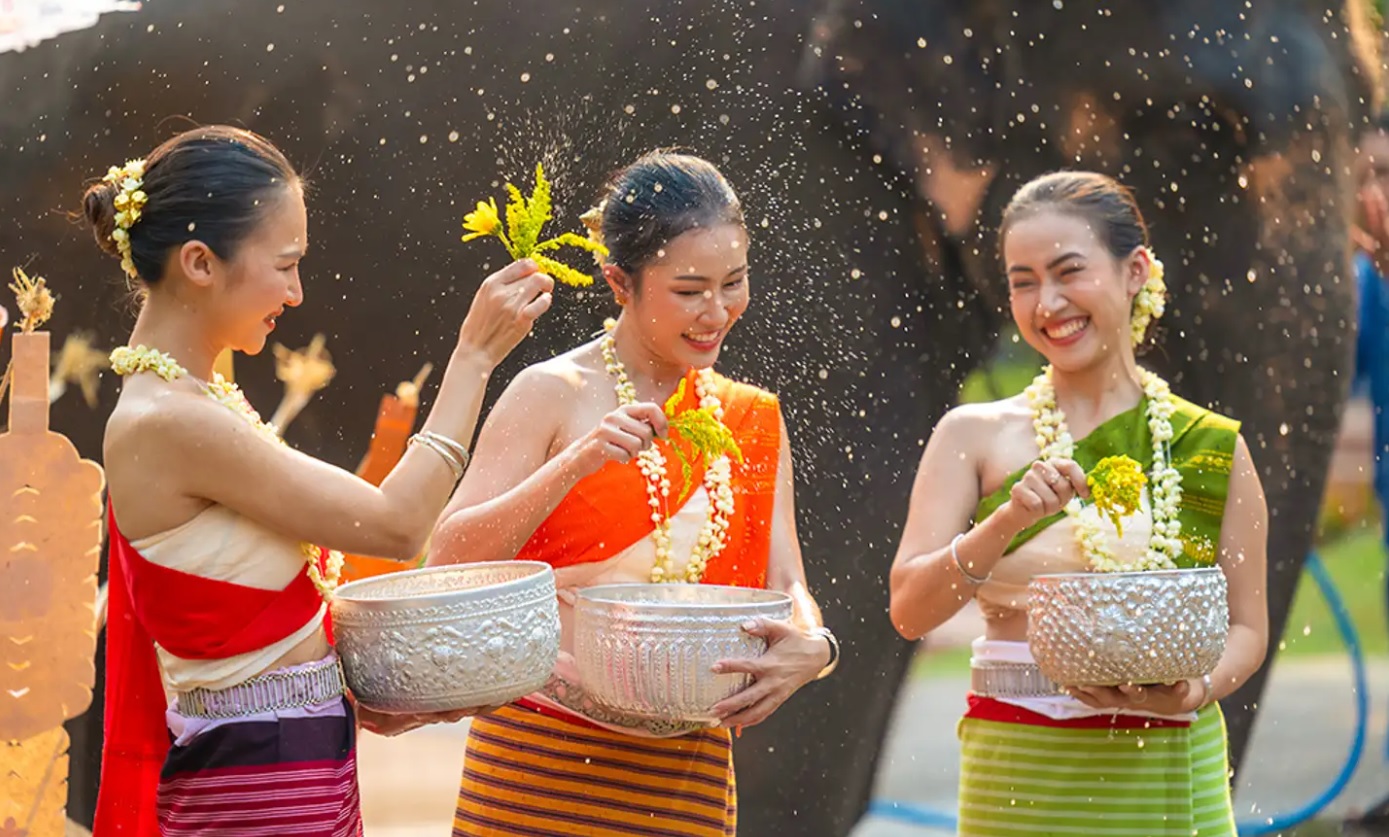
Mornings during Songkran often begin at local temples. Families bring simple offerings such as fruit, flowers, and home cooked dishes for the monks. This act of merit making is believed to bring good fortune for the year ahead. Bowls of scented water with jasmine petals are also placed near Buddha statues, and people gently pour the water over them as a quiet gesture of respect.
Family traditions continue throughout the day. During the Rod Nam Dam Hua ceremony, younger relatives pour water over the hands of elders while asking for their blessings. Many homes and temples are cleaned before the celebrations begin as a way of starting the year fresh. In some temple courtyards, small sand pagodas decorated with flowers and flags appear, adding a simple but meaningful touch to the holiday atmosphere.
Central Thailand, Where Tradition Meets City Energy
Across Thailand, Songkran follows the same spirit, though each region celebrates in its own way. In Central Thailand, the festival often blends tradition with the lively rhythm of city life.
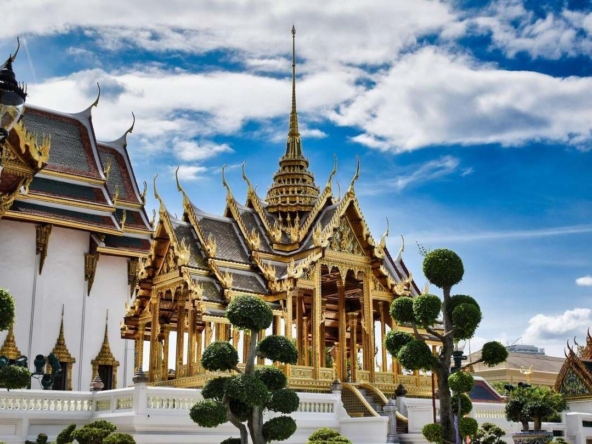
In Bangkok, the celebrations bring a noticeable burst of energy. Many visitors staying in nearby private residences choose to spend an afternoon exploring the streets during the festival. Mornings can still feel calm, while the afternoons gradually become more festive as people gather to enjoy the celebrations.
Two of the best known areas for water celebrations are Khao San Road and Silom Road. During Songkran, these streets fill with music, laughter, and people carrying water guns. Visitors move through the crowds while food stalls and small vendors line the sidewalks, creating a lively street atmosphere.
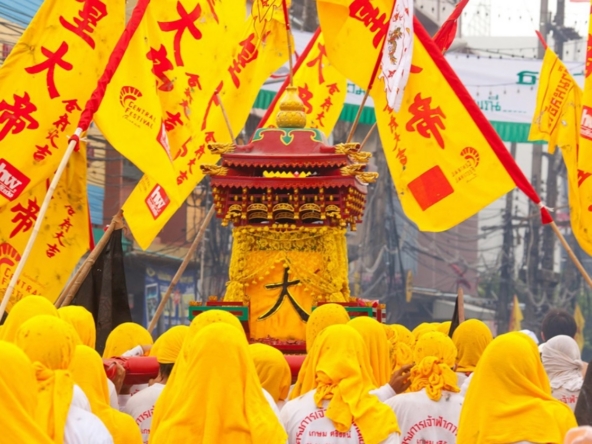
Even with the playful energy, traditional moments remain part of the celebration. Parades pass through parts of the city with dancers in traditional clothing and musicians playing local instruments. Decorated floats sometimes carry sacred Buddha images, and people gently sprinkle water over them as a sign of respect.
For many visitors, spending time in Bangkok during Songkran becomes a memorable part of the trip. The celebration offers a glimpse of both the festive streets and the traditions that continue to shape the holiday.
Northern Thailand, Where Culture Leads the Celebration
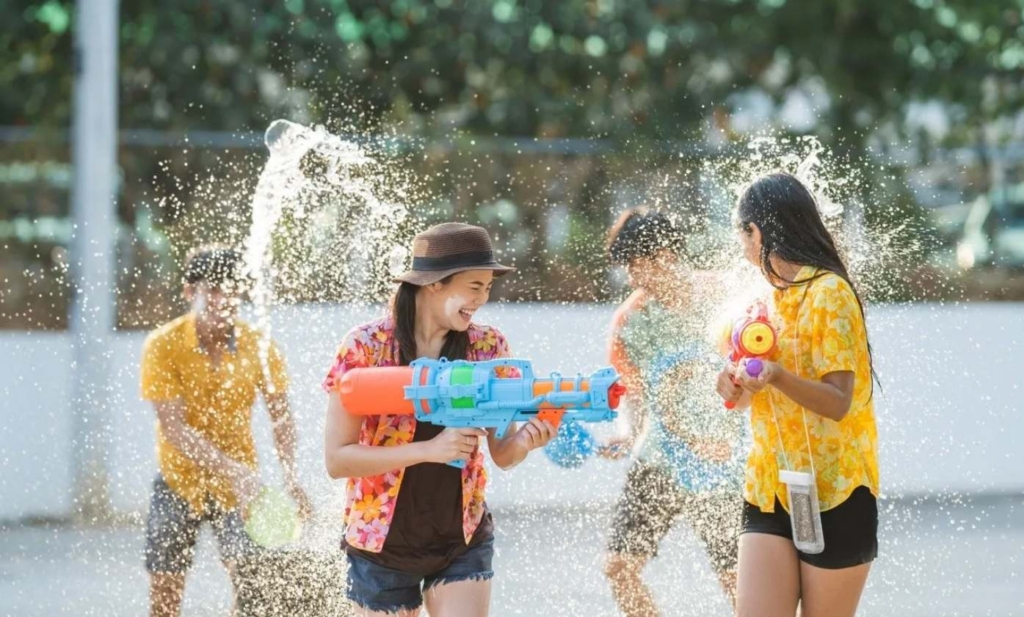
Now let’s move to another region of the country, where culture leads the celebration. In Northern Thailand, Songkran often feels closely connected to tradition and local history. The city of Chiang Mai is especially well known for its lively celebrations during this time of year. Surrounded by mountains and historic temples, the city provides a beautiful setting for the festival. Many travelers spend several days here in April to enjoy the balance of cultural traditions and cheerful street gatherings.
One of the most popular places to experience the celebration is the moat that circles the old town. Along these streets, people gather from morning until evening with water guns and buckets, sharing laughter while cooling off beside the old stone walls. The atmosphere feels lively yet welcoming as locals and visitors join in the fun together.
At the same time, the city keeps many long standing traditions at the center of the festival. Sacred Buddha statues from important temples are carried through the streets during colorful parades, and people gently pour water over them as a blessing for the new year. Inside temple courtyards, families gather to pray and offer flowers and food while the soft chanting of monks fills the air. Traditional performances often take place nearby, adding another layer to the celebration.
The festivities in Chiang Mai sometimes continue a little longer than in other parts of the country. This gives visitors more time to experience both the lively streets and the quieter moments that reflect the deeper spirit of Songkran.
Northeastern Thailand, Where Songkran Feels Personal
In Northeastern Thailand, the region known as Isan celebrates Songkran with a strong focus on family and community. Many people who work in larger cities return to their hometowns during this time, filling houses with relatives and friends who have traveled from far away. Meals are shared, stories are told, and traditions are passed down to younger generations. The atmosphere across towns and villages feels warm and welcoming. One of the best known celebrations take place in the city of Khon Kaen, where the Dok Koon Siang Khaen Festival highlights the culture and music of the region through colorful parades, traditional dancers, and floats decorated with bright yellow dok koon flowers.
Water splashing still brings joy to the streets, though the pace often feels calmer than in the larger tourist cities. Friends greet each other with laughter while sharing buckets of water in neighborhood gatherings. Temple visits remain an important part of the day as families offer food and flowers to monks and younger relatives perform the Rod Nam Dam Hua ritual for their elders. Blessings are shared with kind words and smiles. Visitors who spend time in Isan during Songkran often remember the friendliness of the people they meet and the sincere way the celebration reflects everyday Thai life.
Southern Thailand Where Songkran Meets the Sea
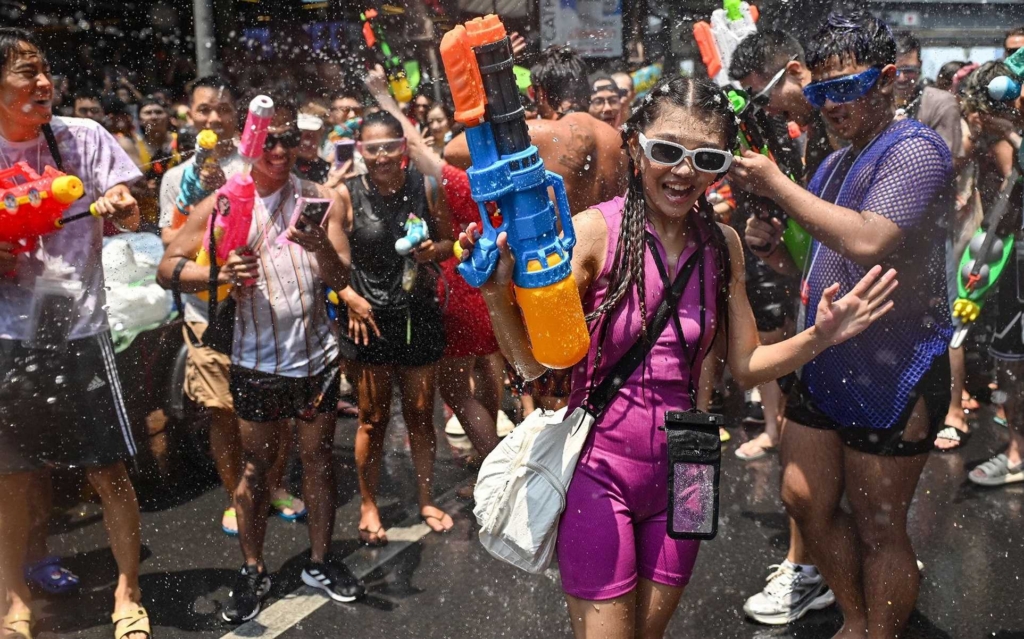
Let’s now move to Southern Thailand, which celebrates Songkran with the relaxed rhythm of island life. Popular destinations such as Phuket and Koh Samui attract many visitors during the festival. Those staying in private beachfront villas often enjoy the balance these islands provide. The mornings tend to feel calm, while lively gatherings begin to appear later in the day not far from the beach.
The day often begins with quiet temple visits in nearby communities. By midday, streets close to the coast start to fill with people carrying water guns and buckets. Music drifts from small restaurants and cafés as locals and travelers move through the streets, splashing water and sharing a few lighthearted moments together. The warm tropical weather makes the cool water especially refreshing, and the mood usually feels cheerful without becoming too busy.
In Phuket, celebrations are often found around the historic old town and along several beachside roads. On Koh Samui, activity spreads through town centers and coastal neighborhoods where locals and visitors gather throughout the afternoon. The sea breeze and open spaces give the festival here a relaxed pace, even when the streets become lively.
For those staying in Thailand luxury villas, the experience often feels well balanced. A morning may begin with breakfast beside the pool or a short walk along the shore. Later in the day, the Songkran celebrations are easy to reach before returning to the comfort and privacy of the villa. This simple rhythm allows visitors to enjoy the festive atmosphere while still having a quiet place to return to.
Songkran Traditions That Bring Thailand Together
Songkran is often known as Thailand’s famous water festival, yet the celebration carries a deeper meaning. It marks the Thai New Year and reflects traditions built around respect, family, and renewal. Across the country, people visit temples, offer blessings to elders, and welcome a fresh start for the year ahead. The playful water celebrations simply add joy to a holiday that has always been rooted in culture and community.
Experiencing Songkran across Thailand reveals how each region brings its own character to the festival. Cities like Bangkok offer lively streets and large gatherings, while cultural hubs like Chiang Mai highlight heritage and tradition. In the islands of Phuket and Koh Samui, the celebration unfolds with a relaxed coastal rhythm. No matter where it takes place, Songkran brings people together in a shared moment of joy as Thailand welcomes the new year.
–
Featured Image by GetYourGuide